Overview
D&I: Perspectives VR is an immersive learning experience built around four real world stories of everyday workplace micro aggressions relating to hidden disabilities, race and gender.
Context
At the time, my role was primarily R&D, I used the project to explore innovative (at the time) technical solutions that directly supported the design brief. Not to add experimental technology for its own sake, but to solve specific production and design problems within the available budget, hardware and timeline.
My Role
I worked across concept, design, R&D, preproduction and delivery.
My responsibilities included researching the subject matter, interviewing folks whose stories we would go on to share, writing the design documentation, developing proof of concept tests, art direction, interaction design, technical solutions while collaborating closely with artists, developers.
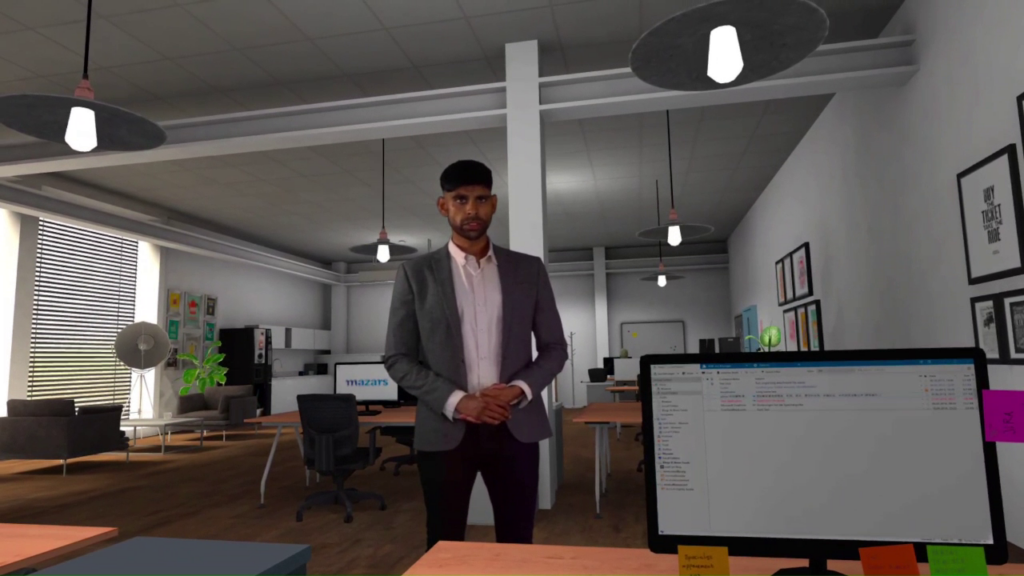
A key part of my contribution was developing and validating the use of stereoscopic keyed out, video characters inside a real time VR scene.
Project Type
- VR experience
- R&D led production prototype
- Immersive learning
- Diversity and inclusion training
Platform / Tools
- Unity
- Meta Quest 1
- Adobe Premiere
- Adobe After Effects
- Green screen filming
- Stereoscopic video capture
- Ad-hoc stereo camera prototyping
Problem
The success of the experience depended on the learner reading the characters and understanding nuanced workplace behaviours. These moments required subtle acting, tone and emotional delivery.
A limitation at the time and often still today, was that the characters needed to be able to clearly convey their intent and tone. The key being that this was largely about “micro aggressions”, which requires some nuance.
A hi fidelity 3d character animation solution would be beyond the scope of the budget and hardware.
Constraints
The main constraints were budget, character fidelity, mobile VR performance and production time.
The project needed believable human characters, but high quality real time character modelling, rigging, animation and facial performance were not viable within scope. The target hardware, Meta Quest 1, also placed limits on rendering, video playback, scene complexity and asset fidelity.
Approach
Part 1: Stereoscopic video characters in a 3D VR environment
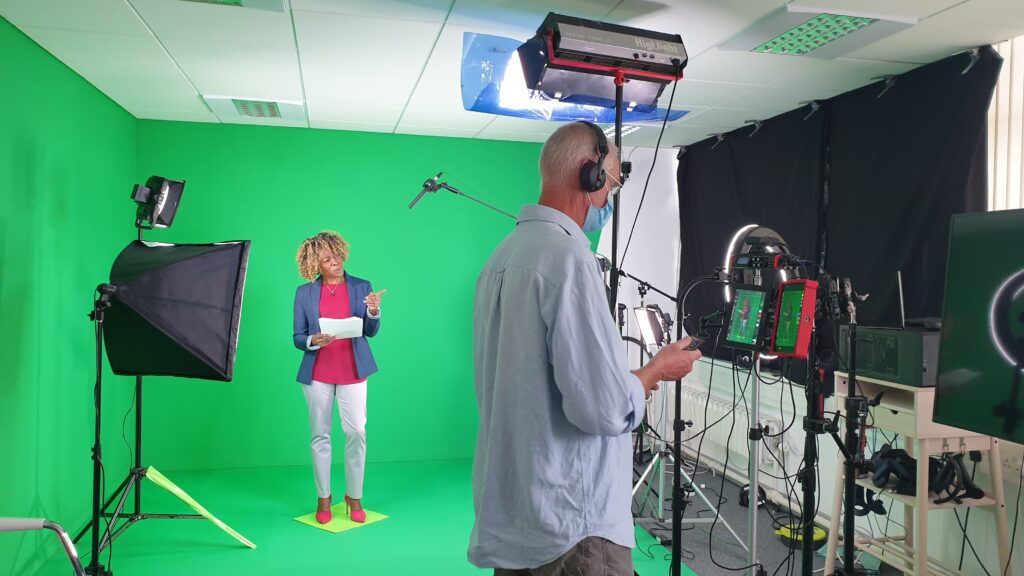
For the first section, I proposed using filmed actors instead of real time character models. This allowed the experience to retain expressive nuance while avoiding the cost and complexity of high fidelity animated characters.
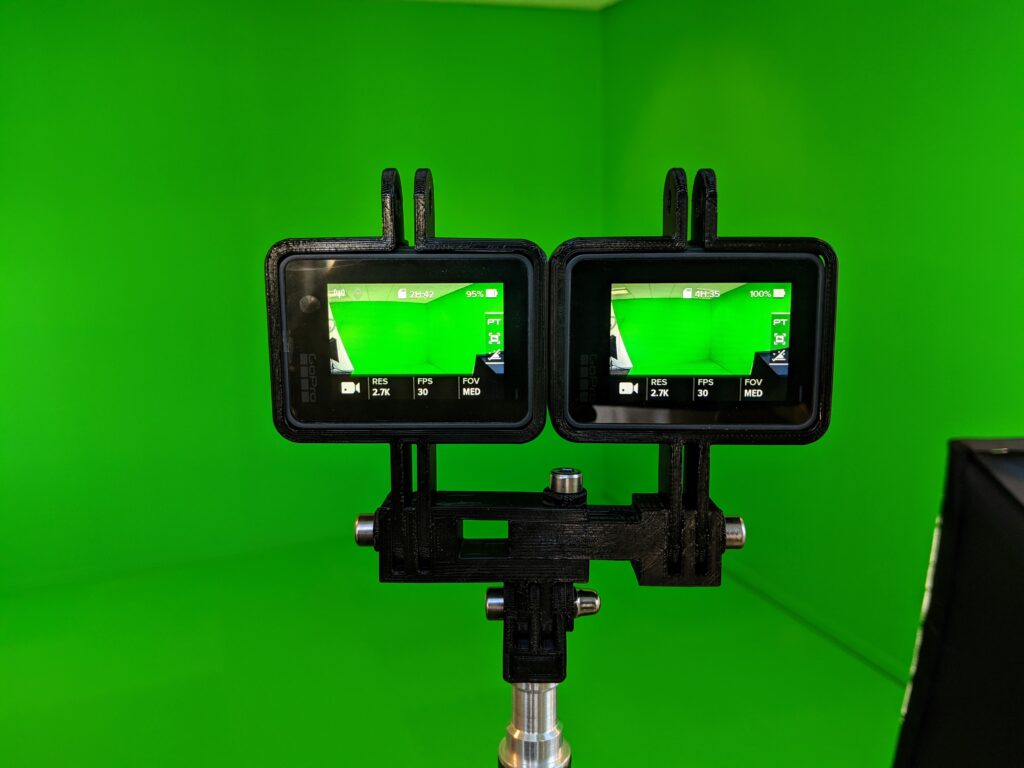
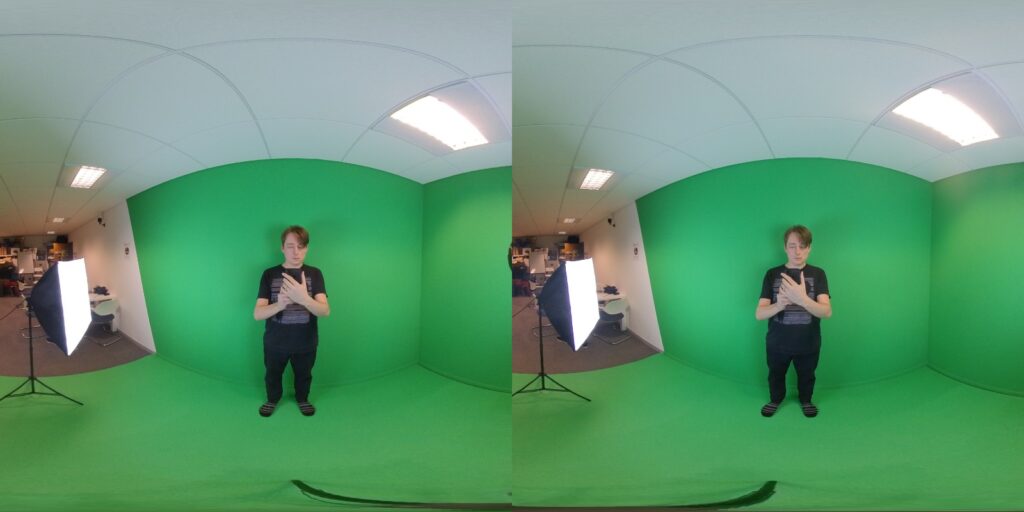
Flat 2D video in VR can feel visually disconnected from the environment, so I developed a stereoscopic video approach to give the filmed characters depth. I built an initial dual GoPro test rig and captured proof of concept footage to evaluate whether stereoscopic transparent video could sit convincingly inside a real time Unity scene.
The test footage allowed me to validate camera spacing, actor positioning and lighting. As well as player perspective in relation virtual environment. Once the approach was proven, the production version was captured using higher end cameras with professional filming support.
I also worked through the technical issues around keying, transparency, codec choice, resolution and performance. The footage needed to remain high res enough for close viewing while still being performant on Meta Quest 1 hardware.
Part 2: Animated diorama stories in 3D space
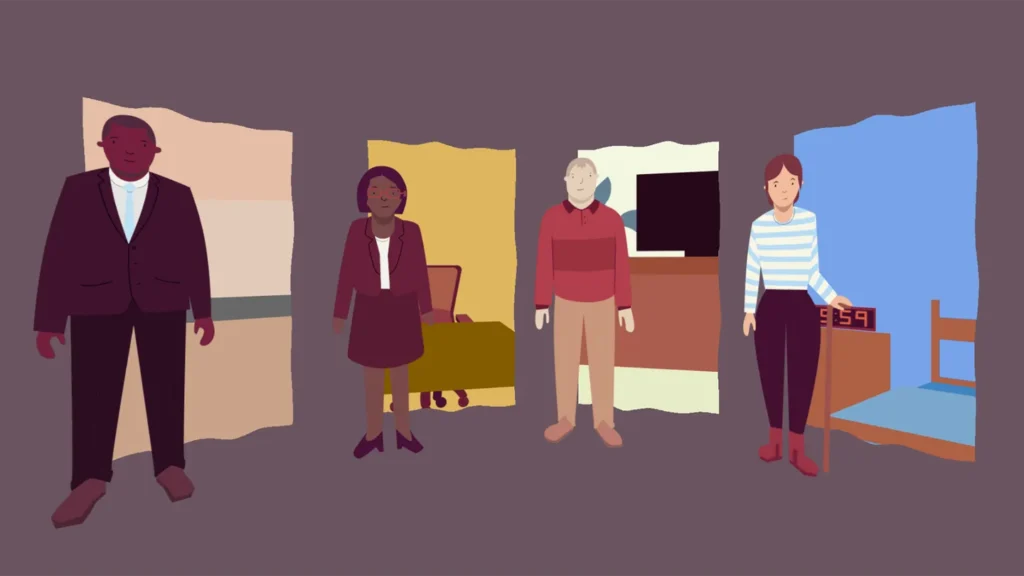
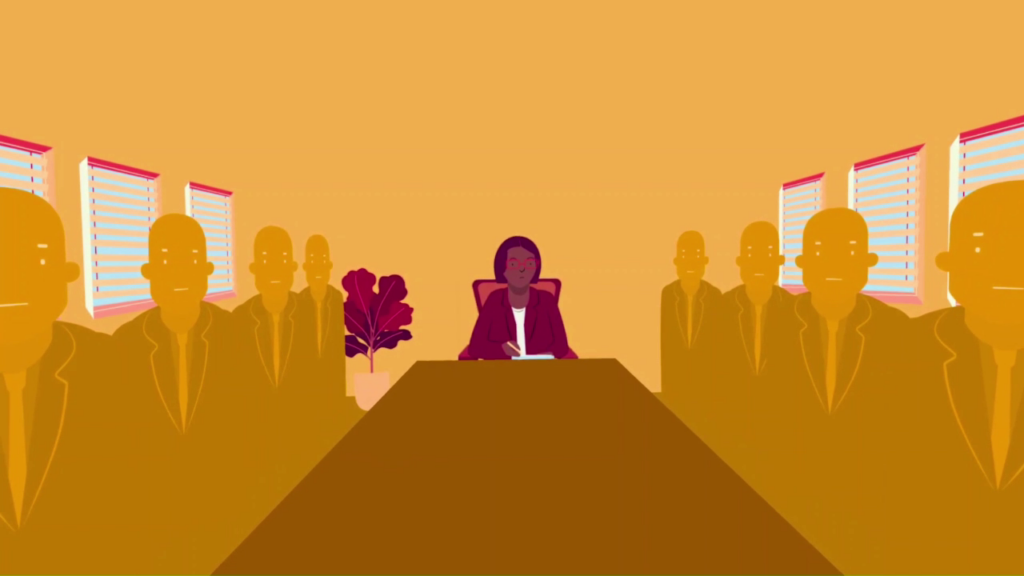
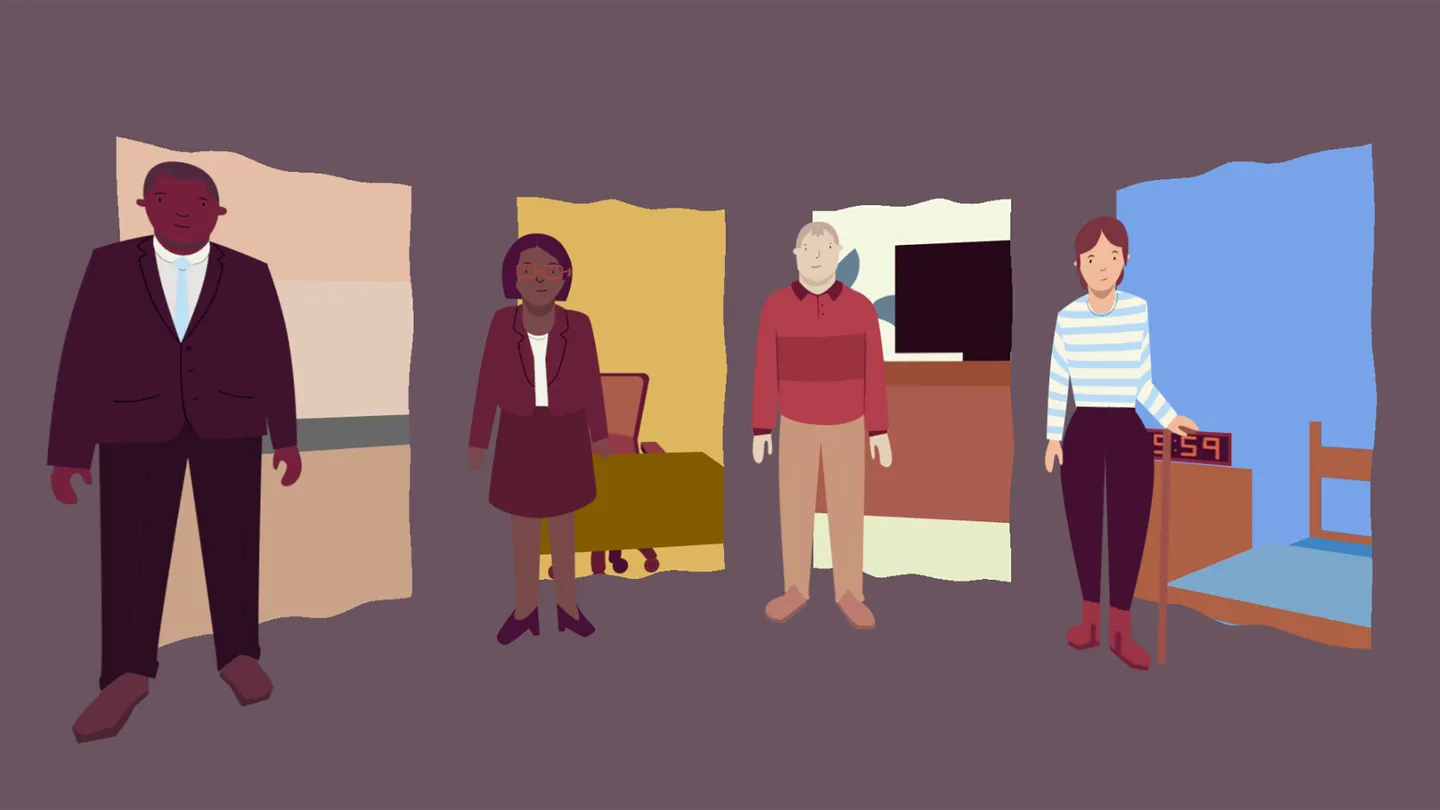
For the second section, the personal stories were presented as illustrated 2D animations arranged as dioramas in 3D space.
This approach was chosen for both production and tonal reasons. It reduced the need for fully animated 3D scenes while creating a clear stylistic break from the workplace section. It also gave the stories a more reflective, authored and illustrative quality, which suited the sensitive subject matter.
I defined the structure of these scenes, including what would remain static, what would animate, how assets would be layered in 3D space, and how each scene would build and transition in real time. I also created a simple production pipeline for the artist, reusing what I had learned from the transparent video workflow.
Key Technical / Design Decisions
Use filmed actors rather than lower fidelity, hardware limited, real time character models, to preserve emotional nuance and reduce production complexity.
Use stereoscopic transparent video instead of flat 2D video so characters had depth and sat more convincingly inside the VR environment.
Prototype the filming method with a 3d printed dual GoPro stereo rig before committing to the production shoot.
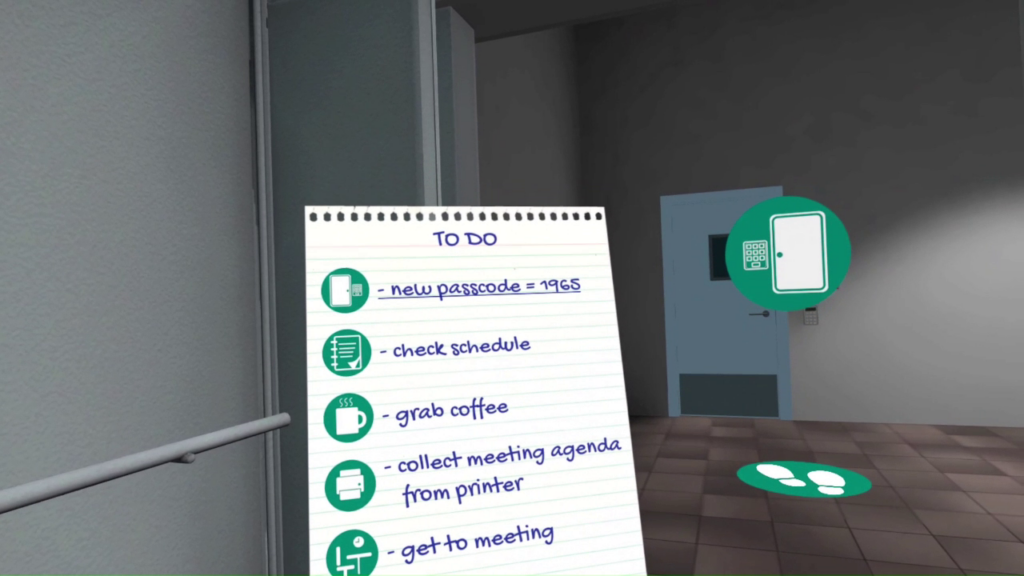
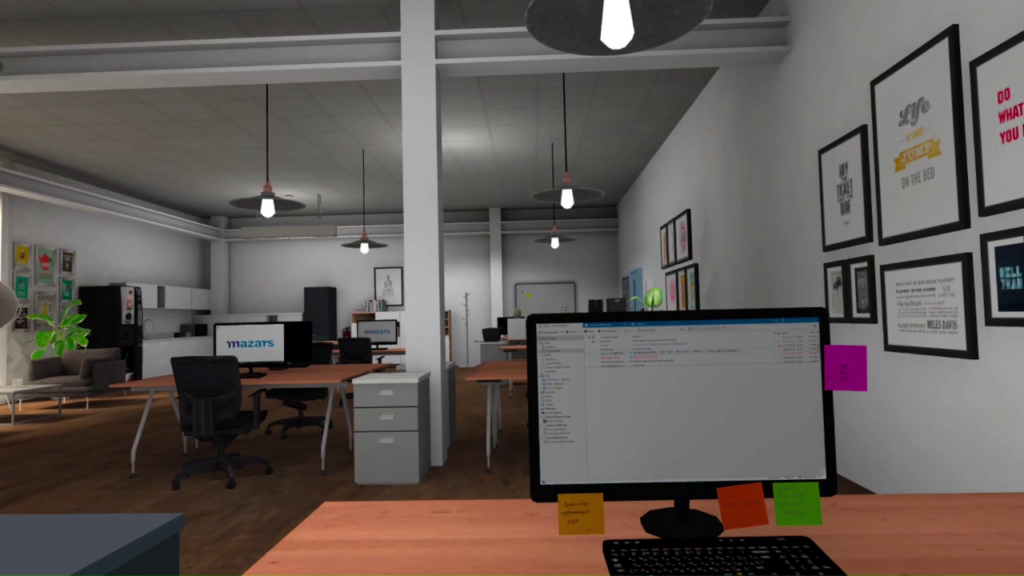
Design the first section as an embodied workplace scenario to place the learner inside the situation.
Use illustrated animated dioramas for the second section to create a tonal break and support more reflective personal storytelling.
Build a practical artist facing pipeline for animated transparent assets in Unity.
Balance video resolution, transparency quality and playback performance for Meta Quest 1.
Outcome
The final experience became a 20-minute VR learning product combining 3D CG, stereoscopic filmed characters, illustrated animations and actor voiceover.
The project also provided a reusable technical learning outcome for future work: a validated approach for combining filmed human performance, transparency, stereoscopy and real-time VR environments on standalone headset hardware. From time to time I’d see projects making use of that solution which was rewarding.
Skills Demonstrated
- Immersive learning design
- VR interaction design
- Unity prototyping
- Technical R&D
- Stereoscopic video experimentation
- Green screen workflow
- Transparent video pipeline
- Performance-aware VR production
- Narrative design
- Interview-led research
- Art direction
- Design documentation
- Cross-disciplinary collaboration
- Accessibility and inclusion-focused design